contact@goldcoastshowerscreens.com.au


Why Do Homeowners Struggle to Remove a Shower Screen?
Shower screens are designed to stay in place, so removing them without damage can be challenging. Common issues include:
- Fragile glass — forcing or twisting panels can cause the glass to shatter.
- Heavy panels — difficult to lift, manoeuvre and remove safely.
- Silicone bonded to grout — breaking the seal can be slow and difficult.
- Corroded screws — seized fixings often strip, snap or damage tiles.
- Tile damage — old adhesive and corrosion can pull at tiles during removal.
- Disposal challenges — glass must be transported and disposed of safely.
A single mistake often costs more to repair than the shower screen itself. For many homeowners, engaging a qualified glazier is the safest and most cost-effective option.
How Screen Type Affects the Removal Process
Different styles of screens are fixed and sealed in different ways, which affects how they must be removed:
- Fully Framed Screens: Use perimeter channels with silicone and multiple screws. Removal is slower, but the frame gives the glass some protection.
- Semi-Frameless Screens: Have light framing and exposed edges. These require careful cutting along silicone lines to avoid chipping.
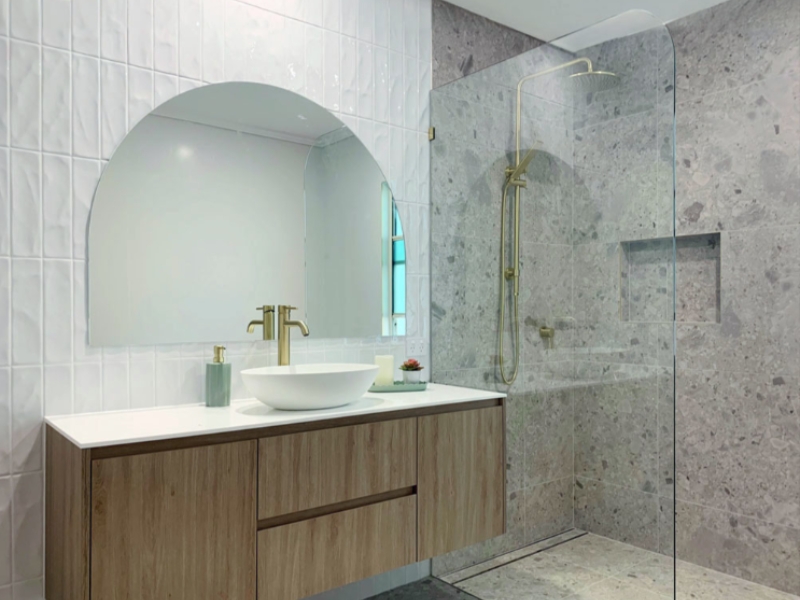
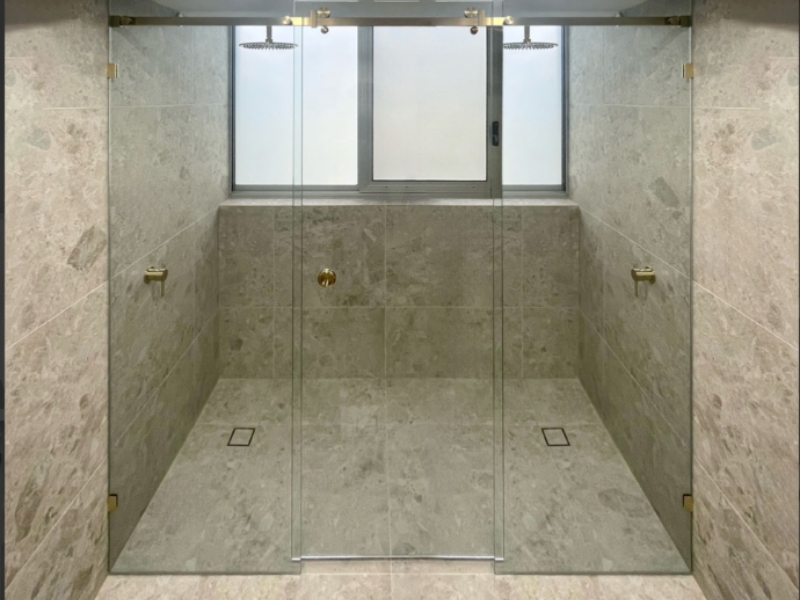
- Frameless Screens: Use minimal brackets and thick, heavy glass. They rely heavily on silicone. These panels must be lifted perfectly straight to avoid cracking.
- Sliding Screens: Contain rollers, tracks and stoppers that must be removed in a specific order before the fixed panels can be lifted out.
Knowing what you have before you start helps you avoid forcing components and accidentally breaking glass.
What Happens If Removal or Resealing Is Done Incorrectly?
Incorrect removal or resealing can cause problems that may not show up for months, including:
- Leaks migrating into walls, cabinetry and subfloors
- Mould growth from trapped moisture
- Loose or misaligned panels
- Cracked tiles or damaged waterproofing
- Voided warranties due to non-compliant installation
A shower screen is part of your wet-area barrier. If it is not sealed correctly, water damage can escalate quickly — and become very expensive to fix.
How to Remove a Shower Screen – Step-by-Step Overview
Below is a simplified outline of the process professionals use.
If any part feels unsafe or unclear, stop and call a glazier.
- Prepare the Area
- Lay down drop sheets to protect tiles.
- Tape edges where tools may slip.
- Clear a safe path for carrying out the glass.
- Remove Doors or Sliding Panels First: Remove doors, rollers or pivot hinges to reduce weight on the fixed panels.
- Release Wall Fixings
- Unscrew channels or brackets from top to bottom.
- Take care not to crack tiles or strip screw heads.
- Remove Old Silicone
- Cut silicone carefully with a razor blade or Stanley knife.
- Avoid scratching tiles.
- Use a silicone remover to soften remaining residue.
- Clean with methylated spirits and let the area dry fully before resealing.
- Lift Out the Glass
- Always lift with two people.
- Use suction cups if available.
- Lift straight up, avoiding any twisting — most glass chips or breaks from side pressure.
Quick Reference Table
| Step | Action | Key Tools | Main Risk |
| 1 | Protect surfaces | Drop sheets, tape | Tile scratches |
| 2 | Remove doors/sliders | Screwdrivers, hex keys | Sudden weight shift |
| 3 | Release wall fixings | Driver bits | Stripped screws, cracked tiles |
| 4 | Clean & remove silicone | Scraper, Stanley knife | Scratching tiles |
| 5 | Lift panels | Suction cups, blocks | Damage to walls or tiles |
What Does It Cost to Replace a Shower Screen?
Costs vary depending on:
- Screen size and configuration
- Glass thickness
- Hardware quality
- Site access
- Whether the old screen needs complex removal
A professionally installed screen offers correct sealing, secure fixings and long-term durability.
Is It Possible to DIY Install a New Shower Screen?
It is possible to DIY a shower screen, but only if you are very experienced. Before attempting it, make sure you understand the QBCC glass and glazing licence requirements, as installing bathroom glass involves strict safety and compliance standards.
We do not recommend DIY installation for beginners. Incorrect installation can lead to:
- Leaks causing long-term water damage
- Screens installed outside the waterproofed area
- Mechanical fixings penetrating the waterproofing membrane
- Poor sealing that allows water to run outside the shower
Shower screens are not just “panels of glass” — proper installation protects your bathroom from serious structural damage.
When Should You Hire a Professional?
You should engage a glazier if:
- You are unsure about any part of removal or installation
- Your walls are not plumb or your floor is not level
- The screen is frameless or particularly heavy
- There are signs of water damage or loose tiles
- You don’t know the condition of the waterproofing
- You want a custom screen made to fit your bathroom perfectly
For homeowners who prefer a safe, reliable outcome, choosing professional shower screen installation and replacement services ensures the job is completed correctly the first time. Professionals have the right tools, experience and insurance to complete the job safely and accurately.
Final Thoughts
Removing a shower screen can be a DIY project, but it’s not always the safest or most cost-effective option. Glass handling, tile protection, silicone removal and waterproofing all require experience.If your shower screen needs replacing — or if you’re ready for a modern, easy-to-clean, made-to-measure upgrade — you can get expert support from Gold Coast Shower Screens to remove your old screen and install a new custom solution safely and professionally.

Enhance Space And Light With Mirrored Wardrobes
 Apr. 10, 2024
How Do Frameless Shower Screens Compare With Traditional Shower Enclosures?
Apr. 10, 2024
How To Choose Between Framed Vs Frameless Shower Screen For Your Bathroom
Apr. 10, 2024